


- Home
- D.W. Griffith
D.W. Griffith
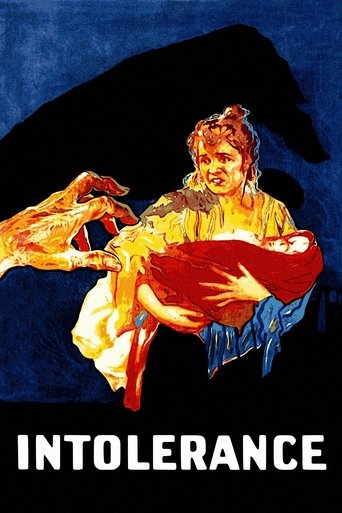
Known for: DirectingDavid Llewelyn Wark Griffith was a premier pioneering American film director. He is best known as the director of the controversial and groundbreaking 1915 film The Birth of a Nation and the subsequent film Intolerance (1916). Griffith's film The Birth of a Nation made pioneering use of advanced camera and narrative techniques, and its immense popularity set the stage for the dominance of the feature-length film. It also proved extremely controversial at the time and ever since for its negative depiction of Black Americans and their supporters, and its positive portrayal of slavery and the Ku Klux Klan. Griffith responded to his critics with his next film, Intolerance, intended to show the dangers of prejudiced thought and behavior. The film was not the financial success that its predecessor had been, but was received warmly by critics. Several of his later films were also successful, but high production, promotional, and roadshow costs often made his ventures commercial failures. Even so, he is generally considered one of the most important figures of early cinema.
Filmography 27
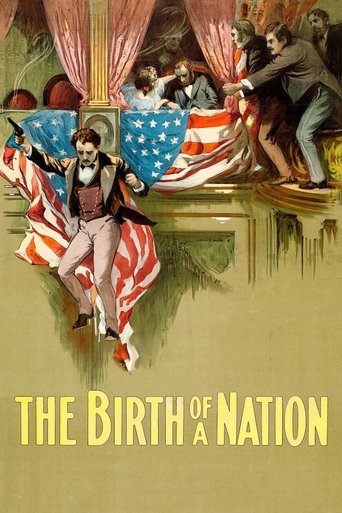 The Birth of a Nation

 Director, Writer
 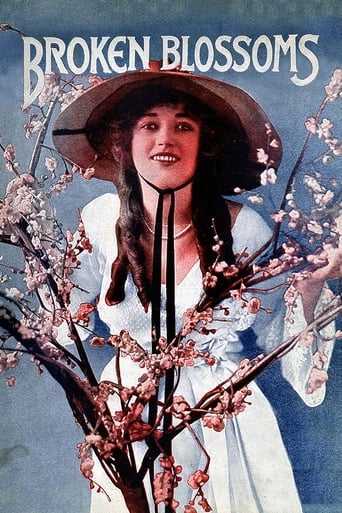 Broken Blossoms or The Yellow Man and the Girl
 Director, Writer
 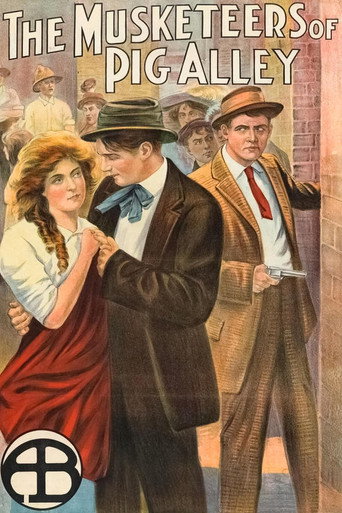 The Musketeers of Pig Alley
Director, Writer
The Musketeers of Pig Alley
Director, Writer 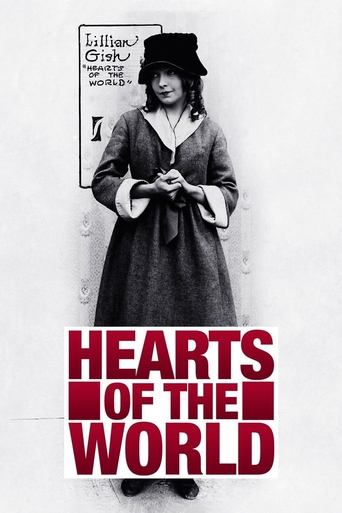 Hearts of the World
Director, Writer
Hearts of the World
Director, Writer 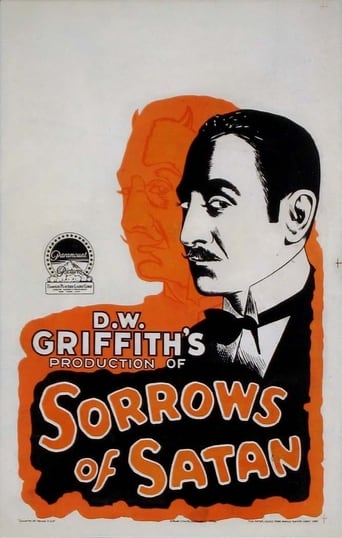 The Sorrows of Satan
 Director, Producer
 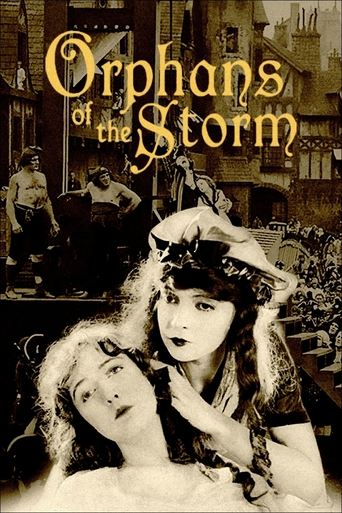 Orphans of the Storm
Director, Screenplay
Orphans of the Storm
Director, Screenplay  Way Down East
Director, Writer
Way Down East
Director, Writer 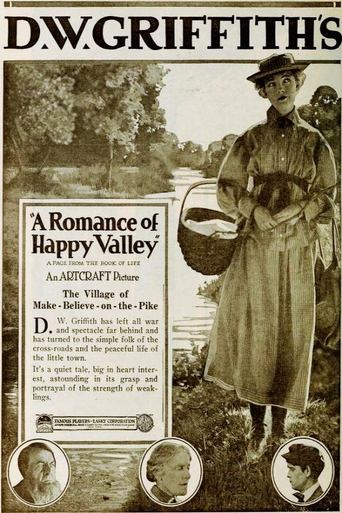 A Romance of Happy Valley
Director, Story
A Romance of Happy Valley
Director, Story  Star Power: The Creation Of United Artists
as Self (archive footage)
Star Power: The Creation Of United Artists
as Self (archive footage)  The Avenging Conscience
Director, Writer
The Avenging Conscience
Director, Writer 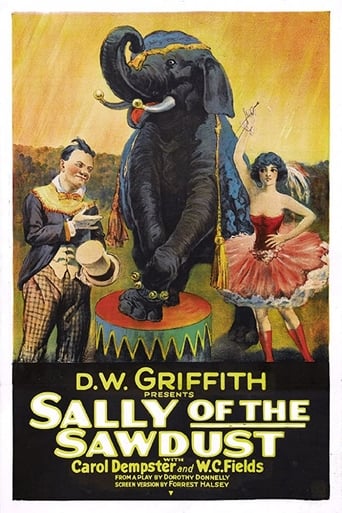 Sally of the Sawdust
Director
Sally of the Sawdust
Director  The Oath and the Man
Director
The Oath and the Man
Director 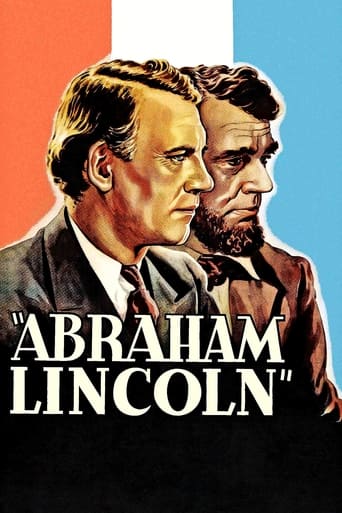 Abraham Lincoln
Director
Abraham Lincoln
Director  The Tramp and the Dictator
as Self (archive footage) (uncredited)
The Tramp and the Dictator
as Self (archive footage) (uncredited)  A Corner in Wheat
Director, Writer
A Corner in Wheat
Director, Writer  The Miser's Heart
Director
The Miser's Heart
Director 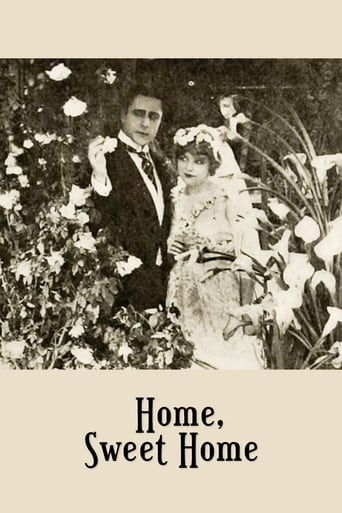 Home, Sweet Home
Director, Writer
Home, Sweet Home
Director, Writer  Martyrs of the Alamo
Producer
Martyrs of the Alamo
Producer 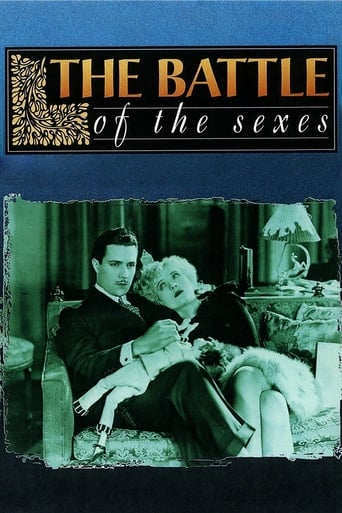 The Battle of the Sexes
Director, Producer
The Battle of the Sexes
Director, Producer 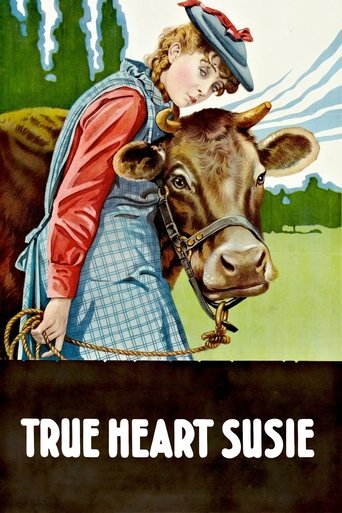 True Heart Susie
Director, Producer
True Heart Susie
Director, Producer 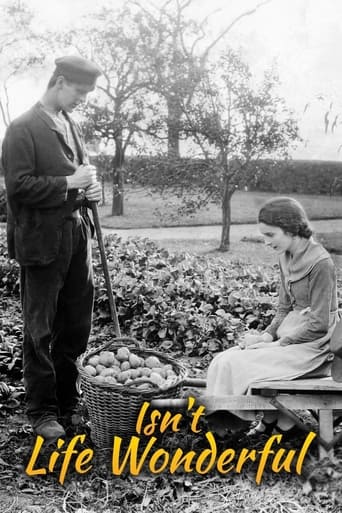 Isn't Life Wonderful
Director, Writer
Isn't Life Wonderful
Director, Writer  The Unchanging Sea
Director
The Unchanging Sea
Director  Judith of Bethulia
Director
Judith of Bethulia
Director  The Burglar’s Dilemma
Director
The Burglar’s Dilemma
Director  The Adventures of Dollie
Director
The Adventures of Dollie
Director 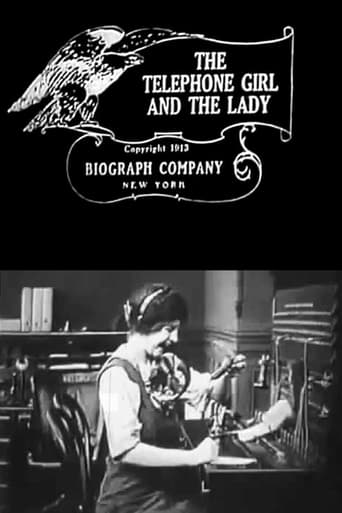 The Telephone Girl and the Lady
Director
The Telephone Girl and the Lady
Director